
Winter weather brings a host of challenges for homeowners, particularly regarding moisture damage in drywall. The combination of cold temperatures, snow, and indoor humidity can lead to serious issues like mould growth, warping, and weakening of drywall.
Thankfully, with a few preventative measures, you can protect your walls from the harsh effects of winter. This guide offers practical tips to help homeowners avoid moisture damage.
1. Control Indoor Humidity
High humidity is one of the leading causes of moisture damage to drywall during winter. With heaters and more time spent indoors, moisture from cooking, bathing, and breathing can accumulate in your home. If left unchecked, this humidity can penetrate drywall, causing it to soften or warp.
Tip: Use dehumidifiers to keep humidity levels under control. Regularly monitor moisture levels in high-humidity areas like bathrooms, kitchens, and laundry rooms.
2. Proper Ventilation
Poor ventilation can exacerbate moisture problems. During winter, it’s tempting to close up windows and doors, but adequate airflow is crucial for preventing the buildup of moisture in your home. Without proper ventilation, humidity can become trapped in your walls, leading to mould growth and drywall degradation.
Tip: Ensure that exhaust fans in bathrooms and kitchens are in good working condition. If you don’t already have them, consider installing these ventilation systems to direct moisture outside. Ventilate your home regularly by opening windows for short periods to allow fresh air in.
3. Insulate Walls and Pipes
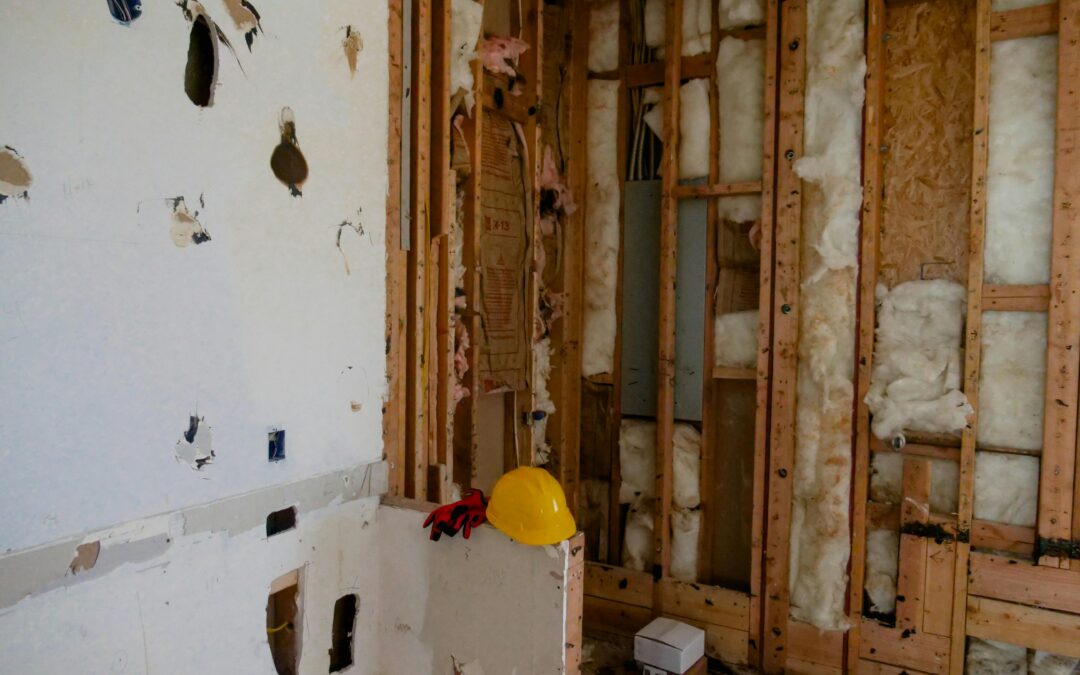
Inadequate insulation is another major contributor to moisture damage in drywall during the winter months. Cold air can seep through poorly insulated walls, causing condensation inside the drywall. This condensation can lead to swelling, mould, and mildew growth, all of which can damage drywall.
Tip: Insulate your exterior walls and pipes to prevent cold air from penetrating. Insulating pipes, in particular, help prevent water from freezing and causing leaks, which could eventually seep into your drywall.
4. Regularly Check for Leaks
Leaks from the roof, windows, or plumbing can introduce moisture into your home and cause significant damage to drywall. During winter, snow and ice accumulation on your roof can lead to ice dams, which might cause water to seep into your home and damage ceilings and walls.
Tip: Regularly inspect your roof, windows, and plumbing for leaks, especially after heavy snowfall or freezing rain. If you spot any signs of water damage, contact residential drywall contractors for repairs before the problem worsens.
5. Apply Moisture-Resistant Drywall
Consider moisture-resistant drywall if you live in an area with high humidity or your home is prone to moisture issues. Many modern types of drywall, such as green boards or cement boards, are designed to resist moisture, making them ideal for areas more susceptible to dampness.
Tip: Ask local drywall companies about moisture-resistant drywall options if remodelling or building. These products are especially useful in bathrooms, kitchens, and basements.
6. Properly Seal Gaps and Cracks
Even small gaps or cracks in your walls can let moisture in, damaging drywall. During winter, freezing and thawing cycles can cause expansion and contraction, exacerbating these gaps.
Tip: Seal any cracks and gaps in your walls and windows with caulk or weatherstripping to keep cold air and moisture out. A good seal helps maintain the integrity of your drywall and keeps your home insulated.
Protect Your Home from Moisture Damage with Imperial Drywall Contracting!
Don’t let moisture ruin your drywall this winter! At Imperial Drywall Contracting, we specialize in high-quality drywall in Edmonton and offer expert solutions for preventing and repairing moisture damage. Our experienced professionals are here to help you maintain a safe, dry, and beautiful home.
Recent Comments