
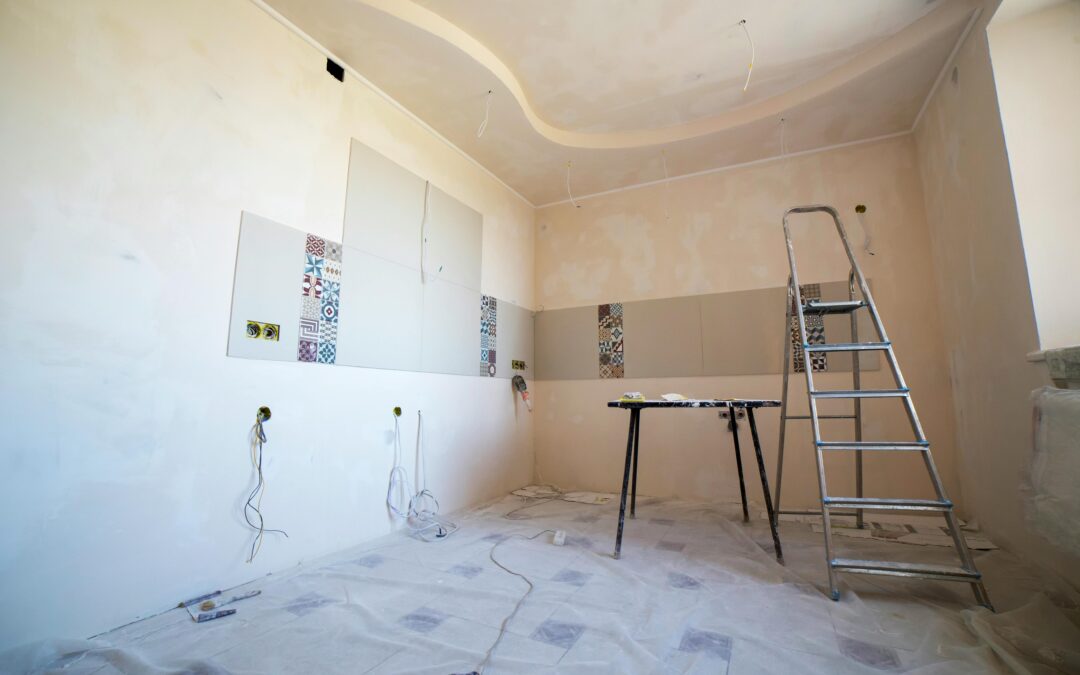
Cold weather can significantly impact drywall installation and repair projects. Drywall contractors need to take extra precautions when working in low temperatures to ensure quality results. Understanding how low temperatures impact your project is crucial for achieving high-quality results. Let’s explore the effects of cold weather on drywall work and what you can do to mitigate potential issues.
Drywall Compound Curing Time
One of the biggest challenges with installing drywall in cold weather is the increased drying and curing time needed for compounds and mud. These products require adequate warmth to cure, bond, and dry properly. Temperatures below 55°F drastically slow down the curing process. At extremely cold temperatures, compounds may not cure correctly, remaining soft and unstable.
Proper curing times between coats of compound, based on the ambient temperature, are vital. For example, drying times could extend from 24 hours to several days from 70°F to 30°F. Rushing the process can lead to cracked seams, delamination, and other problems. Consider using setting-type compounds with shorter curing times in very cold conditions.
Framing Dimension Changes
Wood framing naturally shrinks in cold, low-humidity winter conditions. The wooden studs and joists contract slightly, changing the opening dimensions. If the framing members shrink after drywall is installed, this can cause cracking along seams and nail pops as the board no longer fits snugly.
Allowing the framed walls and ceilings to acclimate to room temperature before drywall installation can also minimize dimensional change issues. Consider leaving a slightly wider gap between boards during winter installations to accommodate wood shrinkage.
Job Site Climate Control
The ideal temperature range for drywall installation is between 55-90°F. Portable heaters should be used within contained work areas to maintain an environment above 50 degrees. This allows joint compounds and adhesives to cure properly. Keeping the boards warm before installation also reduces paper edge tearing.
However, heat sources must be monitored to prevent overdrying. Air circulation helps maintain an even warmth within the range. Controlling humidity levels between 30% and 50% also aids in proper curing without overly fast drying. Avoid applying drywall in unheated spaces during winter without temperature regulation.
Drywall contractors can effectively address cold weather challenges by taking extra precautions. They should adjust their installation techniques, select suitable compounds, allow for longer curing times, handle boards carefully, and manage the job site’s climate. It’s essential to plan ahead to accommodate the extended timelines and drying needs of drywall projects in freezing conditions.
Another way to ensure your drywall project is completed efficiently is to rely on the experts at Imperial Drywall Contracting. With over 45 years of experience and a commitment to excellence, we are one of Edmonton’s most trusted drywall companies. Our experienced contractors know how to handle drywall projects in cold weather.
Recent Comments